When it comes to VR headsets, we've used just about every single one, and one of the devices in this head-to-head is the future of VR.
Oculus Quest
Truly immersive
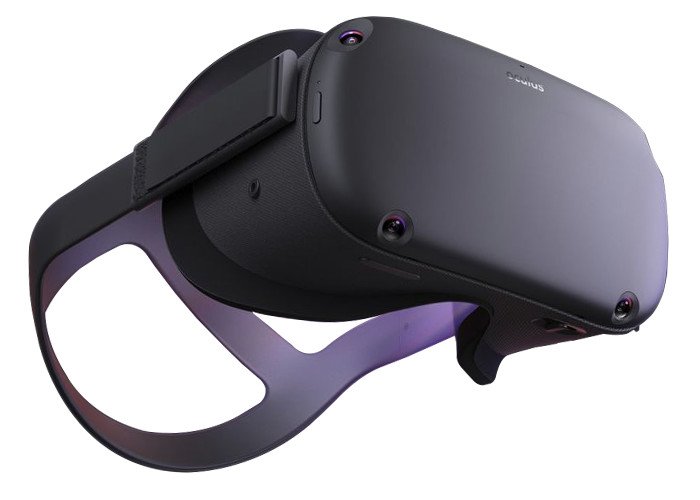
Pros
- Supports six degrees of freedom
- Has two Touch controllers
- Supports Oculus Guardian tracking
- Has arena-scale tracking
- Doesn't require a PC
Cons
- Relatively high price tag
- Not as powerful as some similarly priced headsets
The Oculus Quest is an immersive and untethered VR headset. Its combination of six degrees of freedom and Oculus Guardian tracking means you can run around, jump up and down, and maneuver throughout games without any wires or PC to slow you down.
Oculus Go
Budget friendly
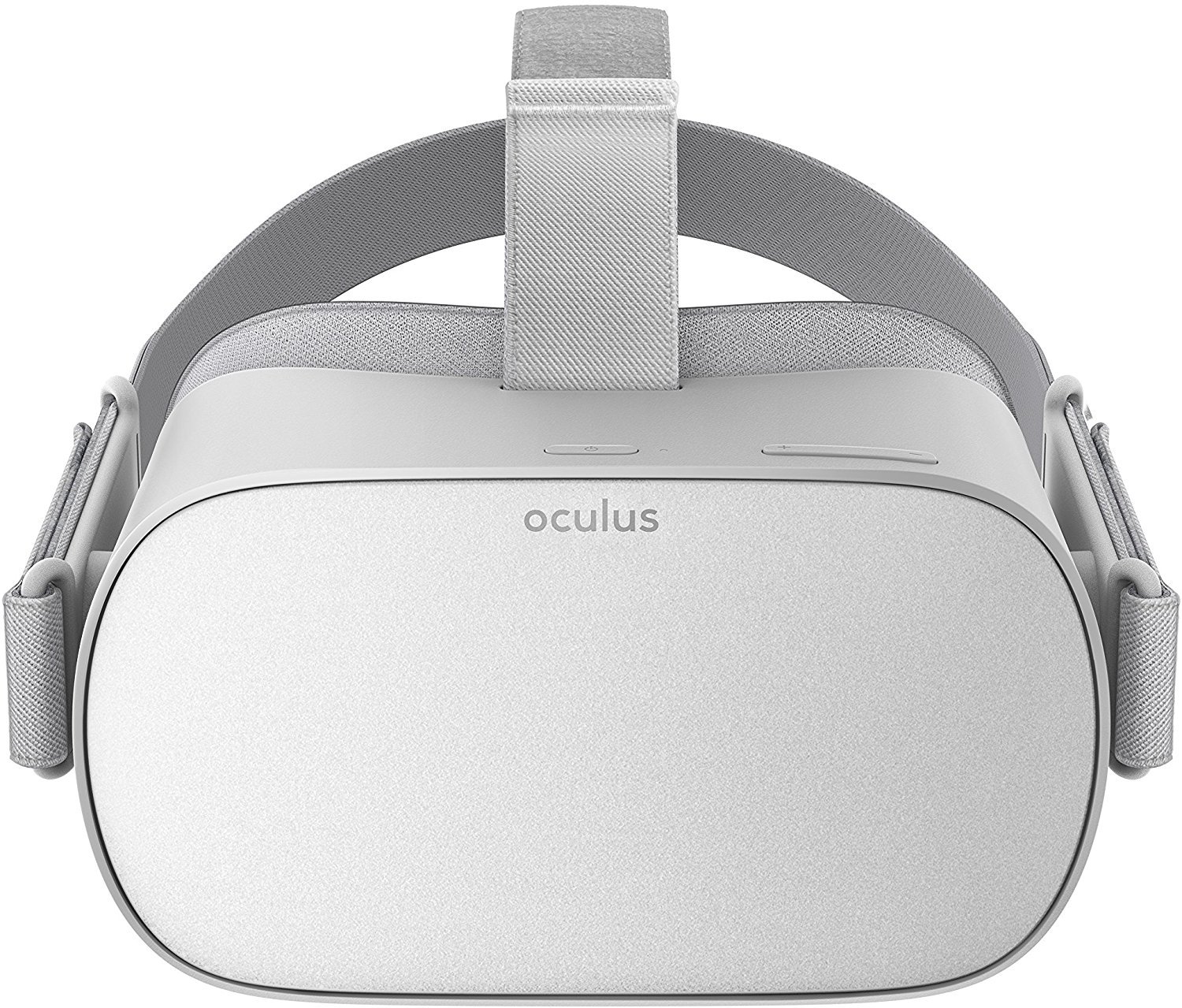
Pros
- Relatively inexpensive
- Great for viewing videos
Cons
- Doesn't support six degrees of freedom
- Only supports one motion controller
The Oculus Go is a relatively inexpensive headset that provides a solid viewing experience for VR content and 360 videos. It also can be used for some light gaming.
While the Oculus Go and Oculus Quest are both made by Facebook and bring untethered VR to users, they aren't exactly direct competitors. You get what you pay for with these headsets. The Oculus Quest can do everything the Oculus Go can and significantly more.
Break it down now
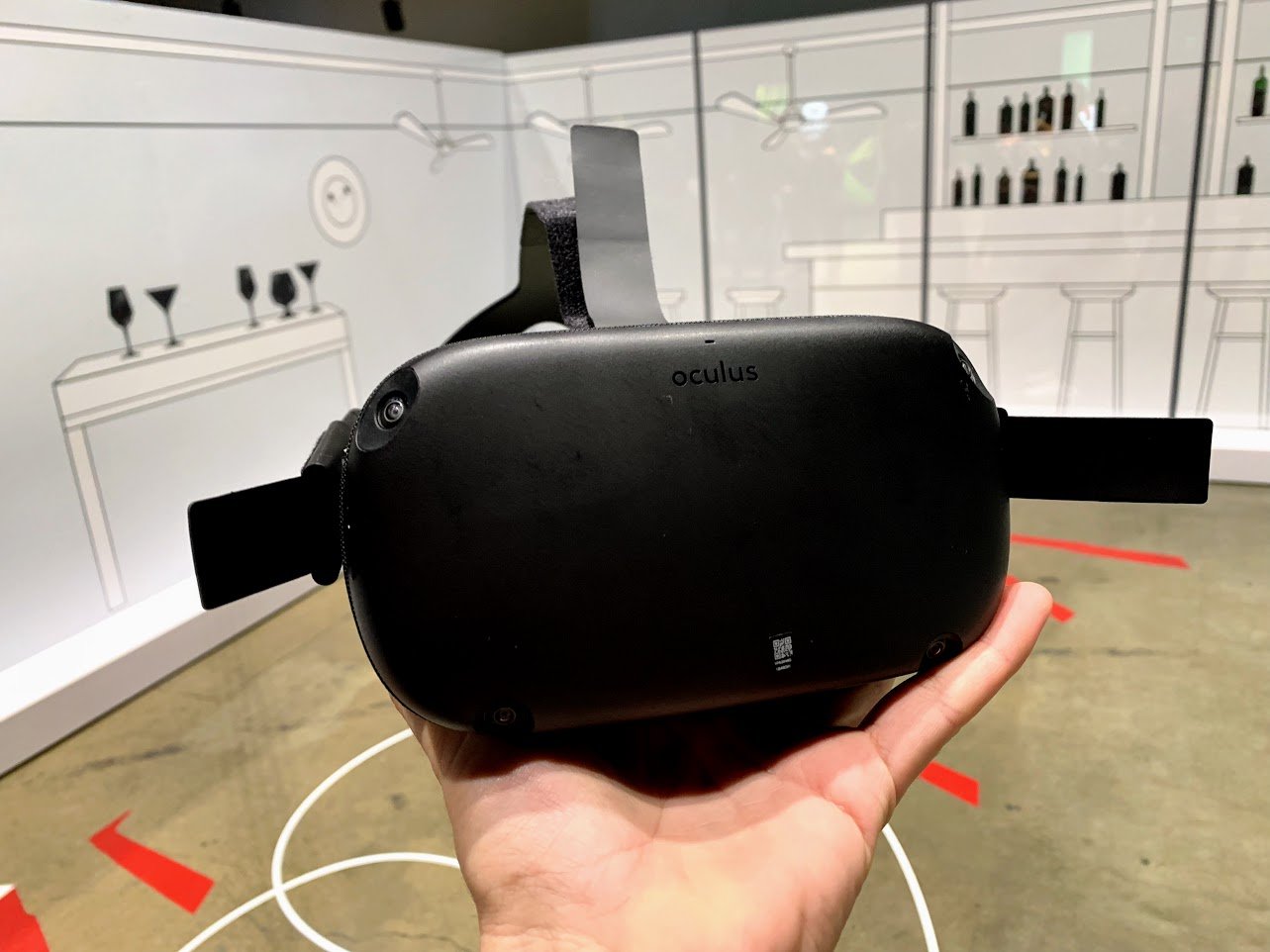 The Oculus Quest
| Category | Oculus Quest | Oculus Go |
|---|---|---|
| Hand Controls | 2 hands | 1 hand |
| 6 degrees of freedom | Yes | No |
| Oculus Guardian tracking | Yes | No |
| Arena-scale tracking | Yes | No |
The Oculus Quest, for example, is more in direct competition with the Oculus Rift, though the Oculus Quest is less powerful than the Oculus Rift but more versatile when it comes to freedom of movement. The Oculus Quest is built for both video viewing and truly immersive gameplay. It also supports six degrees of freedom, meaning it can track your movements across multiple axes including up/down, left/right, and forward/back. This helps create a more immersive environment for gaming. Headsets with six degrees of movement allow you to move around rooms to play games rather than just tilting your head.
The Oculus Go is a budget-friendly headset that's best used for watching videos, while the Oculus Quest is for actual gaming.
The Oculus Quest has two motion controllers that allow you to control gameplay and interact with the virtual environment. Being able to use two hands makes certain movements possible such as using a virtual bow and arrow or playing beat saber with both hands. It also supports guardian tracking, meaning it can map out an area and remember where objects, such as furniture, are in actual reality.
It also has arena-scale tracking. This allows players to have games that mix reality with virtual reality. For example, you can have a shooting game that requires you to move around obstacles that are in the same location in the game and in real life.
 The Oculus Go
In contrast, the Oculus Go is a much more basic headset. It's an inexpensive entry-level headset geared more towards watching videos and light gaming. It's very similar to using a Gear VR, but it doesn't require a phone to be in the headset.
It can track your head movements on the left/right and up/down axes but can't track your forward and backward movements. This makes it much less versatile for gaming since you're effectively stuck in one place, but it's great for 360 videos because you can scan your head around to watch the entire video. You can also use it to watch videos from YouTube or other mediums on a large virtual screen. It's like carrying a 70-inch television that you can place on your head.
The headset that's best for you comes down largely to price and what you want to use it for.
The Oculus Go only has one controller, and it's a less powerful touch controller. It's fine for navigating menus and light gaming but it is significantly less useful than the two-handed setup of the Oculus Quest. However, it's more lightweight than the Quest, so you can easily take it with you on the go — hence the name.
The headset that's best for you comes down largely to price and what you want to use it for. The Oculus Go is half the price of the Oculus Quest and is good for watching videos because it creates either a large virtual screen or 360 videos that you can watch by moving your head around.
The Oculus Quest can do everything the Oculus Go can do and significantly more, including tracking a room, tracking your movements as you move around the room, and allowing you to use a controller in each hand, but it comes at a higher price point. If you want the best VR experience out of these devices, you should save up and purchase the Oculus Quest.
Oculus Quest
Truly immersive
A full-VR experience that doesn't require a PC
The Oculus Quest supports six degrees of freedom and tracks both you and your environment. You can play a wide range of games and also enjoy VR and 360 video content.
Oculus Go
Budget friendly
A relatively affordable headset mostly for videos
The Oculus Go is a lightweight headset that you can use without a PC or phone. You can stream videos in VR and enjoy some light gaming using the singular motion controller and headset.


0 Response to "You Can See More: Should you save up for the Oculus Quest or stick with the Go?"
Post a Comment